If you are thinking about moving to Wayne, NJ, one question usually comes up fast: what does daily life actually feel like there? That is especially important when you are balancing commute time, home styles, shopping, and the overall pace of the town. Wayne offers a mix of established neighborhoods, strong retail convenience, transit access, and more parkland than many buyers expect. Let’s dive in.
Wayne at a glance
Wayne is a large suburban township in Passaic County with a 2020 population of 54,838 and a July 1, 2024 estimate of 54,096. It covers 23.72 square miles of land and is described by the township as a balanced suburban community less than twenty miles from Midtown Manhattan.
In practical terms, Wayne feels like a mature North Jersey suburb rather than a fast-changing town. Census figures show a 78.6% owner-occupied housing rate, a median owner-occupied home value of $612,700, a median gross rent of $2,164, and 93.3% of residents living in the same house one year earlier. That points to a relatively stable community where many people stay put.
Township planning documents also note that Wayne is a built-out, older suburban community with very little undeveloped land remaining outside environmentally sensitive areas. If you prefer established streets, existing infrastructure, and a town with a well-defined identity, that is a big part of Wayne’s appeal.
Housing in Wayne
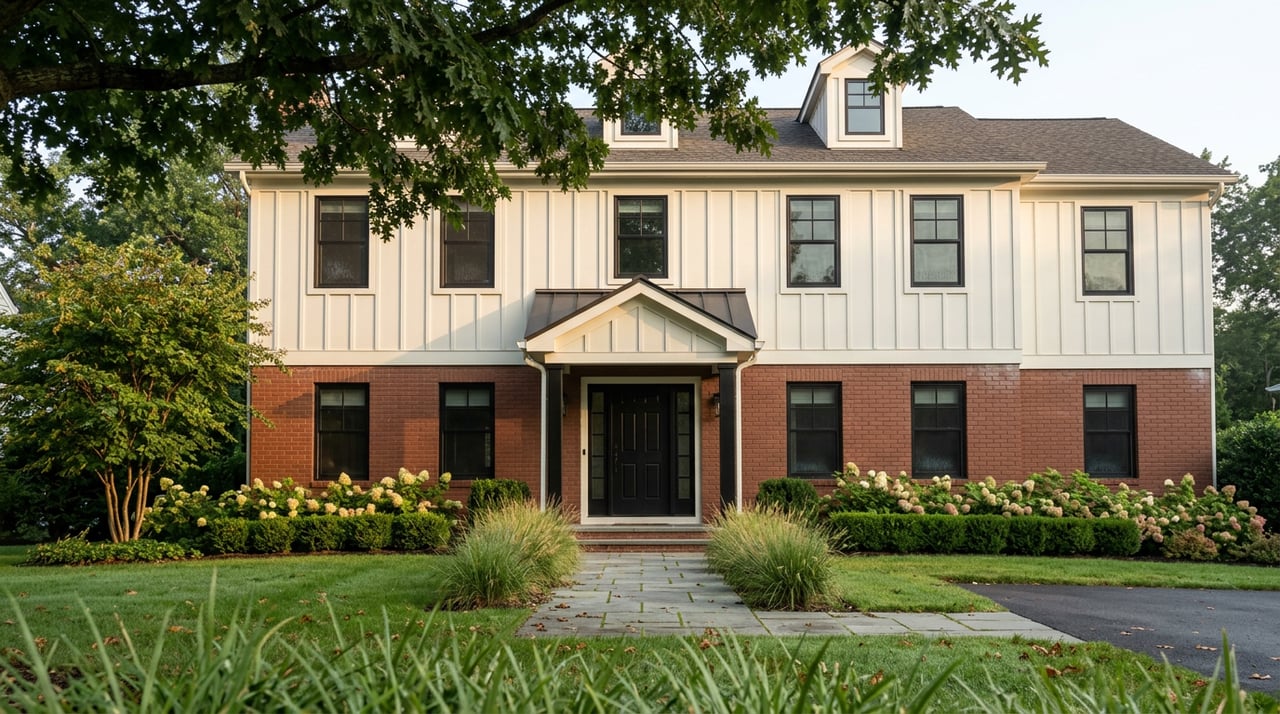
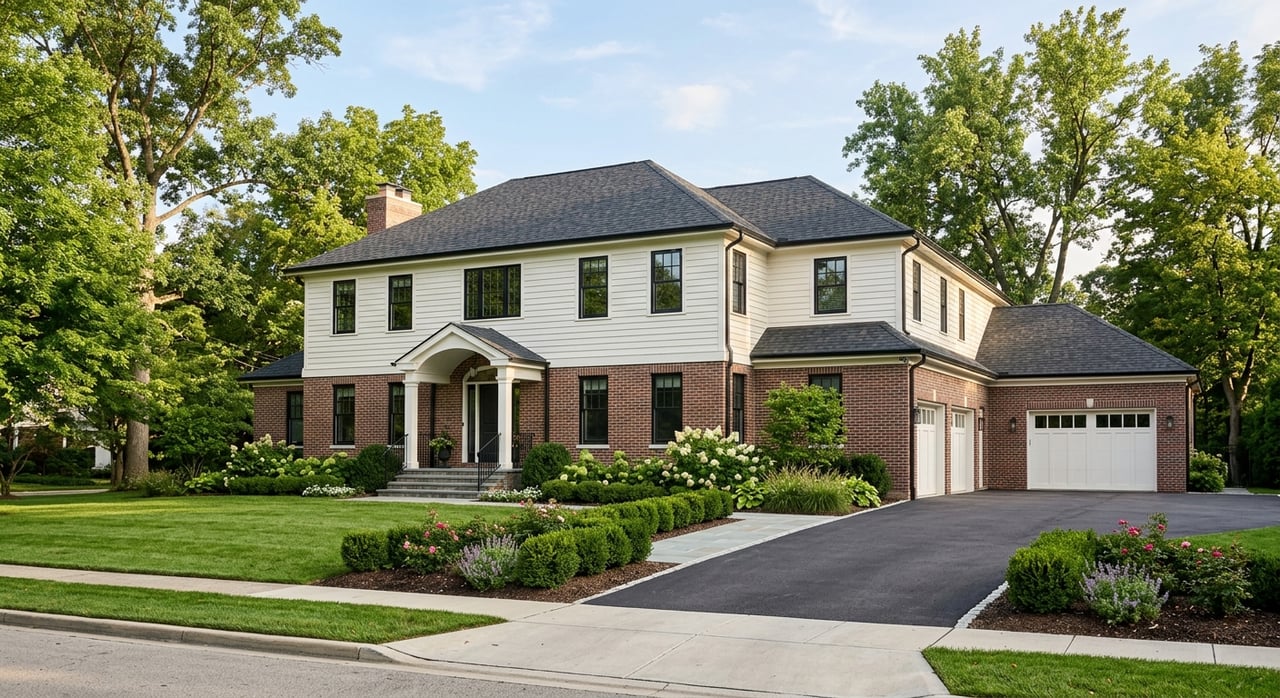
Wayne’s housing stock is led by single-family homes, which helps shape the town’s suburban feel. You will also find attached housing, condominiums, and garden apartments in different parts of town, so the housing options are broader than many people first assume.
Because Wayne developed over time instead of around one major new subdivision wave, the town tends to feel varied. Some areas have a more traditional residential layout, while others are closer to larger commercial corridors and commuter infrastructure.
For buyers, that means your experience can change a lot depending on where you focus your search. Looking at Wayne as one single “type” of town can be misleading. It is more useful to think of it as a collection of residential pockets connected by major roads, shopping areas, and transit nodes.
How different parts of Wayne feel
Residential neighborhoods
Away from the busiest roads, Wayne tends to feel quieter and more residential. Township planning documents support that long-established suburban pattern, which is one reason many buyers see Wayne as a place where they can settle in for the long term.
These parts of town often appeal to buyers who want more of a neighborhood feel and a slower daily rhythm. Since Wayne is largely built out, many residential sections feel established rather than newly created.
Lake communities
Wayne is also known for three residential lake communities: Lions Head Lake, Packanack Lake, and Pines Lake. Township documents describe these areas as having private recreational facilities, which adds to their distinct residential identity.
These neighborhoods often feel more settled and recreation-oriented than the highway corridors. If you are drawn to a more community-centered residential setting, the lake areas are one of the features that make Wayne stand out from other suburban towns nearby.
Highway and corridor areas
The sections near Route 23 and Route 46 feel busier, more auto-oriented, and more commercial. This is where you see a stronger concentration of retail, hotels, commuter facilities, and redevelopment activity.
That can be a plus if convenience matters most to you. It also means the feel is different from the quieter residential sections, so it helps to compare areas in person and think about how you want your day-to-day routine to work.
Commuting from Wayne
Wayne is a very car-oriented town, and that is one of the first things to understand before moving here. The Route 46, Route 23, and I-80 interchange is one of the busiest crossroads in New Jersey, according to NJDOT, and it serves major businesses in the area, including Willowbrook Mall.
For many residents, driving is simply part of daily life. Errands, commuting, and activities often involve getting on one of the main roads rather than walking from place to place.
That said, Wayne is not only a driving town. Transit plays a meaningful role, especially for people who want rail access or park-and-ride options.
NJ Transit options
Wayne has two NJ Transit rail stations on the Montclair-Boonton Line: Mountain View Station and Wayne/Route 23 Transit Center. Both offer parking and bike access.
The Wayne/Route 23 Transit Center has 996 parking spaces, while Mountain View Station has 228. That gives commuters some real options, especially if you want suburban living without giving up rail access entirely.
Bus connections also add flexibility. NJ Transit lists bus routes 194, 198, and 324 at Wayne Rt-23 Transit Center, and routes 193, 194, 197, and 198 at Willowbrook Mall Park & Ride.
What the commute can feel like
Census QuickFacts lists Wayne’s mean travel time to work at 28.7 minutes. Of course, your own commute will depend heavily on where you work and whether you drive, take the train, or use a park-and-ride.
The bigger takeaway is that Wayne gives you choices, but they are mostly built around road access and edge-of-town transit hubs, not a traditional downtown station environment. If you are comparing towns in North Jersey, that is an important difference.
Shopping and errands
One of Wayne’s strongest day-to-day advantages is convenience. The township highlights redevelopment and retail and restaurant activity at Wayne Towne Center, Willowbrook Mall, Route 46, Route 23, Hamburg Turnpike, and Valley Road.
In plain terms, Wayne makes it easy to handle a lot of your errands without leaving town. Census data reported $2.359 billion in retail sales in 2022, which reflects just how much commercial activity is concentrated here.
The tradeoff is that Wayne’s shopping and dining scene is corridor-based rather than centered on one compact, walkable downtown. Most errands involve driving between major commercial nodes instead of parking once and doing everything on foot.
For some people, that is a drawback. For others, especially busy households who value convenience, it is a major plus.
Parks and recreation
Recreation is one of Wayne’s biggest quality-of-life strengths. The township parks department says it maintains 1,859.45 acres of parkland, including two aquatic facilities, two museums, and 23 community parks.
That amount of public space gives Wayne a different feel than a suburb known only for highways and shopping centers. Even though the town has busy commercial corridors, it also offers a lot of room for outdoor time, organized activities, and everyday recreation.
Outdoor options
One of the standout spaces is High Mountain Reserve Park, with 1,153 acres of woodlands and wetlands. Township facilities also include a community center with a newly renovated town pool, theater, fitness center, courts, and studios, along with resident-focused amenities like swimming lakes and a dog park.
Older planning documents also describe trails, tennis courts, basketball courts, and ball fields across the local park system. That helps explain why many residents experience Wayne as more recreation-rich than you might expect at first glance.
Beyond township parks
Wayne residents also benefit from the larger Passaic County park system. The county oversees more than 16,000 acres of open space and offers trails, biking, fishing, picnicking, sports fields, and year-round community events.
If you like having both local parks and broader regional options nearby, Wayne checks that box well. It gives you access to everyday neighborhood recreation and bigger weekend destinations without needing to go far.
What daily life feels like
Living in Wayne often means a balance of convenience and routine. You have strong access to shopping, major roads, and commuter infrastructure, but you also have established residential sections and substantial parkland that soften the pace of suburban life.
For many buyers, the biggest advantage is that Wayne feels established. The housing stock, road network, commercial areas, and recreation system are already there, so you are not betting on what the town might become later.
The main tradeoff is traffic and a more corridor-driven layout in the busiest parts of town. If you want a classic walkable downtown as the center of everyday life, Wayne may feel different from what you have in mind. If you want an established suburban town with practical convenience, transit access at key points, and a lot of residential stability, Wayne has a lot to offer.
If you are considering a move to Wayne, the most important step is to look beyond the town name and focus on which part of Wayne fits your lifestyle best. That kind of neighborhood-level perspective can make a big difference in how confident you feel about your move.
If you want help comparing Wayne neighborhoods, understanding housing options, or planning a move with clear local guidance, Joseph D Charles Jr can help you make sense of the market with a practical, no-pressure approach.
FAQs
What is the overall lifestyle like in Wayne, NJ?
- Wayne offers an established suburban lifestyle with residential neighborhoods, major shopping corridors, rail and bus commuter options, and extensive local parkland.
What types of homes can you find in Wayne, NJ?
- Wayne is known primarily for single-family detached homes, but it also includes condos, attached housing, and garden apartments in different parts of town.
What is commuting like from Wayne, NJ?
- Commuting in Wayne is largely car-oriented, but the township also has two NJ Transit rail stops on the Montclair-Boonton Line and several park-and-ride bus connections.
What makes Wayne, NJ convenient for daily errands?
- Wayne has major retail and restaurant activity along Route 23, Route 46, Wayne Towne Center, Willowbrook Mall, Hamburg Turnpike, and Valley Road, so many daily needs can be handled within town.
What recreation options are available in Wayne, NJ?
- Wayne offers 1,859.45 acres of parkland, 23 community parks, two aquatic facilities, two museums, a town pool, lakes, High Mountain Reserve Park, and access to Passaic County’s broader park system. Nearby Garett Mountain offers great nature walks.
Do different parts of Wayne, NJ feel different?
- Yes. There is a wide variety of living experiences in Wayne, due to it's size and landscape. You can feel more secluded living up in the mountains, be a part of a lake community, or have more of a settled residential feel.