What “As-Is” Really Means for NJ Sellers Right Now
I understand why homeowners want to sell their homes as-is. Most people live in their home every day and feel it’s perfectly fine, so from their perspective, making repairs feels unnecessary or frustrating.
Because of that, a lot of homeowners in New Jersey have the same question in mind when considering selling: “Can I just sell my home as-is?”
The short answer is yes.
But the important thing to understand is this:
As-is does not mean what most NJ sellers think it means.
Understanding what this means upfront can save a homeowner time, frustration, and possibly help avoid failed deals when it comes time to sell.
Can You Sell a Home As-Is in New Jersey?
Yes, you can sell your home as-is in New Jersey.
However, selling as-is is often misunderstood. Many sellers assume it protects them from inspections, negotiations, or buyers backing out. In reality, selling as-is does not eliminate a buyer’s inspection rights in most NJ transactions.
Unless a buyer knowingly waives inspections, they typically still retain the right to inspect the property.
Does Selling a Home As-Is Mean No Inspections in Nj?
Many homeowners believe selling as-is means:
- No inspections will be performed.
- No repair requests can be made.
- Buyers won’t have any leverage; take it or leave it.
- No risk of the deal falling apart.
This is not how most as-is sales work in New Jersey.
What Does Selling a Home “As-Is” Actually Mean in NJ Residential Sales?
In most residential transactions, selling as-is simply means the seller is stating upfront that they are not agreeing to make any repairs in advance to all potential buyers.
As a side note, advertising a home as-is is sometimes a red flag to buyers. It can make them assume there is something wrong with the property.
Selling as-is does NOT mean:
- Buyers give up their right to inspect the home.
- Buyers are required to move forward with the sale no matter what is found.
What Inspection Rights Do Buyers Have in an As-Is Sale in NJ?
In most NJ transactions, selling a home as-is does not remove a buyer’s inspection rights. Even if just for informational purposes, buyers are typically allowed to:
- Perform a full home inspection.
- Inspect structural components.
- Inspect the roof, electrical, plumbing, chimneys, and mechanical systems.
- Check for environmental concerns such as oil tanks, mold, and other hazards.
- Inspect sewer lines, septic systems, and more (as applicable).
If a major issue is discovered, buyers can often walk away legally and recover their escrow deposit, also known as a good faith deposit. This has surprised many sellers and buyers.
This is where having a strong attorney matters. No good attorney representing a buyer will allow a completely blank as-is sale where the buyer waives inspection rights fully. Even if the buyer wants it, most attorneys worth hiring will urge the buyer to reconsider.
Why Do Buyers Still Inspect As-Is Homes?
Inspections are not just about cosmetic issues. They are about risk.
In this competitive market, most buyers understand that nitpicking minor items like scratches on the floor, a loose doorknob, or cosmetic wear is not going to help their offer stand out.
Instead, buyers typically limit inspection concerns to major issues only, which generally are grouped into these three categories:
- Structural
- Environmental
- Mechanical
What this means is that only serious defects or non-functioning systems discovered during inspection may lead to a repair request or a credit from the buyer to the seller. Minor issues are typically ignored.
Even buyers who expect a home to need work still want to understand:
- What they are actually buying.
- What problems currently exist in the home.
- What repair costs to expect at purchase.
- What repair costs are expected in the near future.
If a major issue is discovered in an as-is sale, or if the seller is unwilling to address it, the buyer can often walk away legally and recover their deposit. Both buyers and sellers should be aware of this.
When Do True As-Is Sales Actually Happen in New Jersey?
There are situations where a true as-is sale makes sense and holds up. These usually involve:
- Severely Distressed or Dilapidated Homes
- Cash Buyers
- Bargain Prices
- Buyers Who Plan to Tear the Structure Down
In these cases, the price reflects the risk. The buyer knowingly accepts the unknowns because the value of the land, their intentions with the property, or the price makes it worthwhile.
More commonly, a seller may state that a particular part of the home is being sold "as-is." Usually it'll be the chimney, since most people do not use it, they're unaware of it's state, and it can be a costly repair.
However, there is an issue that almost no buyer will take on, even in an as-is sale:
- Oil tanks or related contamination issues.
Do You Need to Renovate to Sell in Today’s NJ Market?
The short answer is no.
Some sellers assume they must renovate or fix everything before listing to avoid inspection issues and increase their home value. If not done right, some sellers may perform unnecessary and sometimes counterproductive adjustments to the home.
Fixing obvious problems and making reasonable updates can help, especially for today’s buyers who prefer move-in-ready homes. But overdoing it may hurt more than help.
In today’s market:
- Buyers pay for location and layout.
- Over-renovating for the purpose of selling is rarely a good investment due to current costs.
- Upgrading without a purpose can actually lose you money.
- Buyers lean more toward move-in-ready homes.
What matters most when selling:
- Pricing correctly.
- Disclosing property details properly.
- Knowing what to fix and what not to fix.
This is where strategy matters in home selling and can help you net more money when done correctly.
Tips for Sellers Worried About Inspections
Tip #1: Consider a Pre-Listing Home Inspection
One of the best ways to reduce stress and avoid surprises is to hire a home inspector before listing your property.
A pre-listing inspection helps because:
- You will know exactly what buyers are likely to find.
- You can remediate issues ahead of time if it makes sense.
- You can disclose issues upfront, reducing negotiations.
Performing a home inspection before listing puts you one step ahead of buyers and often leads to smoother transactions.
Tip #2: Be Strategic About What You Update
Not every repair or upgrade is worth the time and money before selling. A professional can help you evaluate which updates make sense and which ones are unlikely to provide a solid return.
Some updates may be a waste of your time and money, while others consistently deliver strong results and will be a net positive.
In most cases, my top three for best impact are:
- Fresh Paint
- Decluttering the Home and Closets
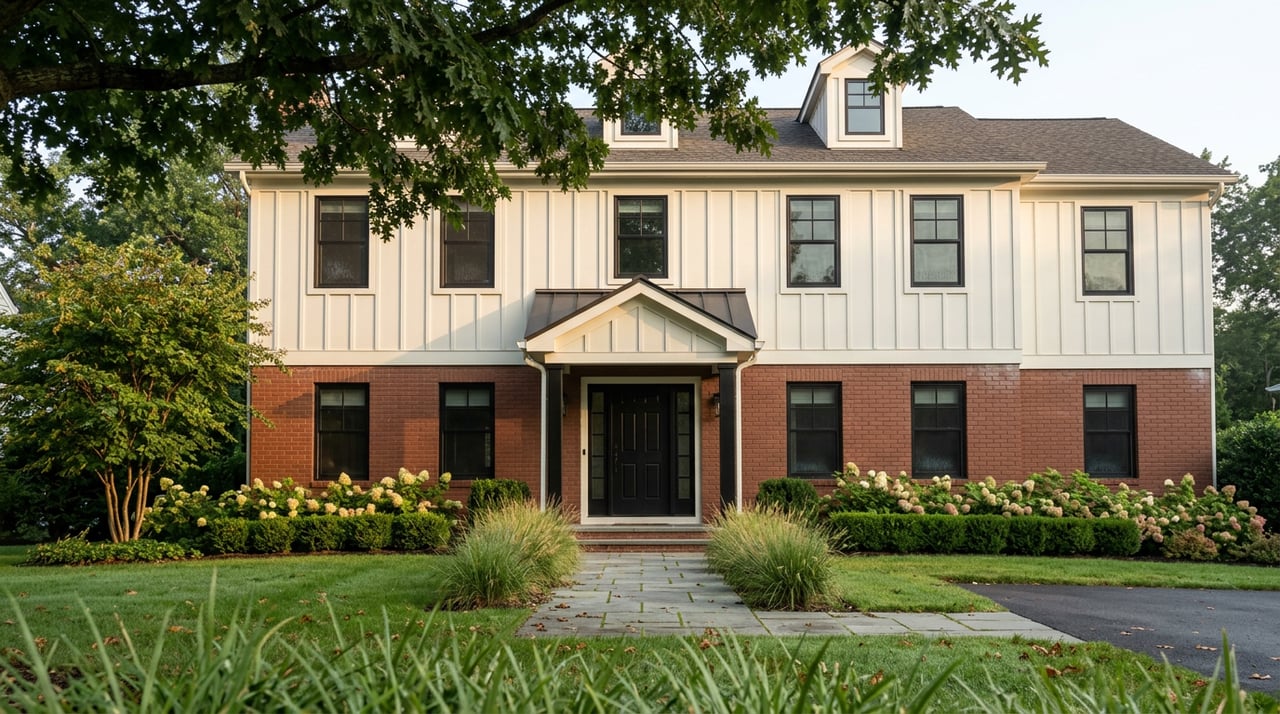
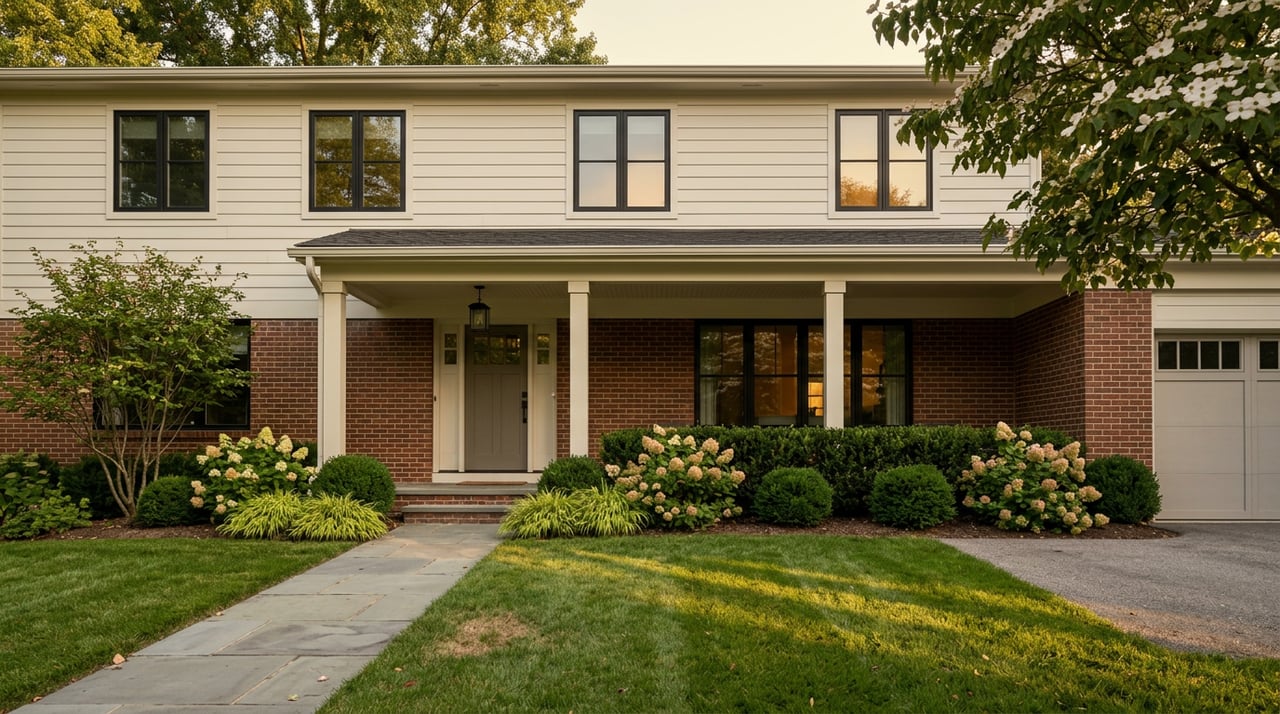
- Improving Curb Appeal
These are the most effective ways to increase buyer interest and receive stronger offers while limiting repair requests.
The Bottom Line
You can sell your home as-is in New Jersey.
You can also sell a part of your home as-is, such as a chimney.
Just understand that as-is does not mean risk-free, inspection-free, or buyer-proof.
It means you are choosing a strategy. And like any strategy, it works best when it is planned correctly.
If you are thinking about selling and wondering whether to renovate, sell as-is, or do something in between, those decisions are worth talking through before listing.
I have successfully helped NJ homeowners through these steps and saw them enjoy strong returns. I use real data and can show real outcomes instead of assumptions and guessing.
If you would like to talk about this topic with me, feel free to reach out to me.
No pressure. Just good advice and a team of specialists behind me for when you need it.
No pressure. Just good advice and a team of specialists behind me for when you need it.
If you’re thinking about selling your home as-is and want to understand how inspections and buyer expectations may apply to your situation, I’m happy to talk it through.
No pressure. Just good advice based on local NJ data.