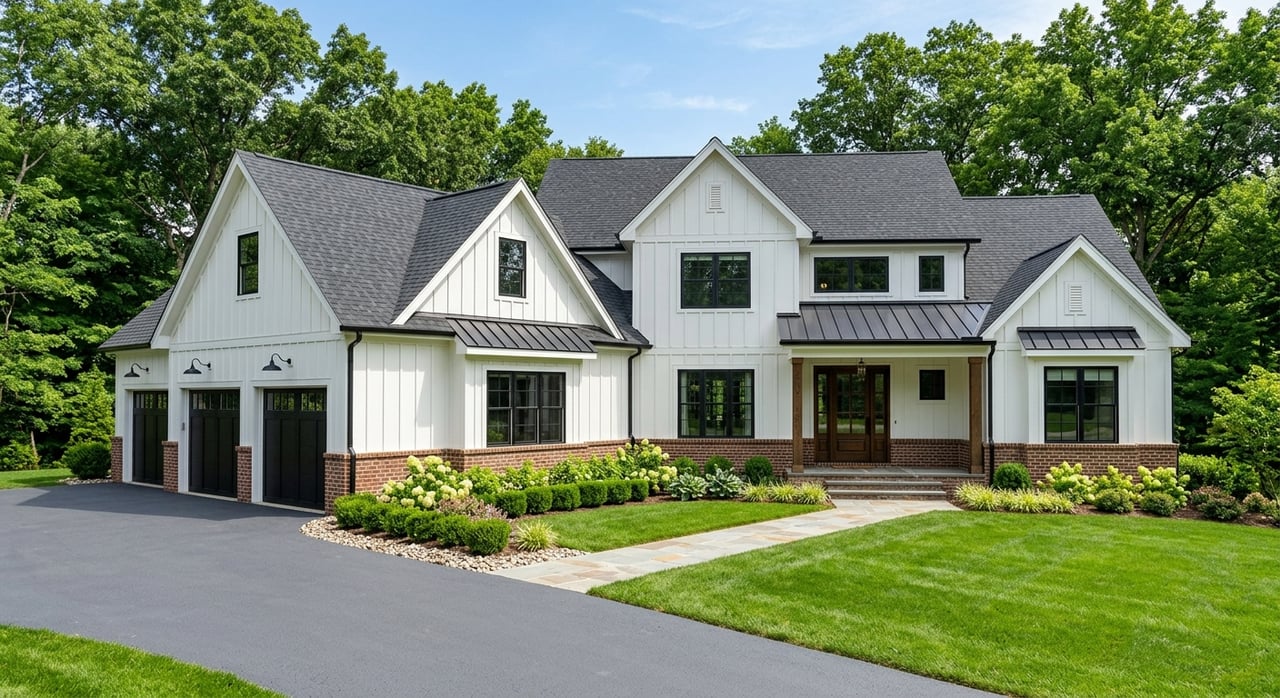
Thinking about buying land or tearing down a home in Montville to build new? It can be an exciting path, but it is also very different from buying a typical resale home. In Montville, details like zoning, Highlands rules, utility access, drainage, and permit timing can shape both your budget and your timeline. If you want to move forward with fewer surprises, it helps to understand the local process before you buy. Let’s dive in.
Why Montville land deals need extra homework
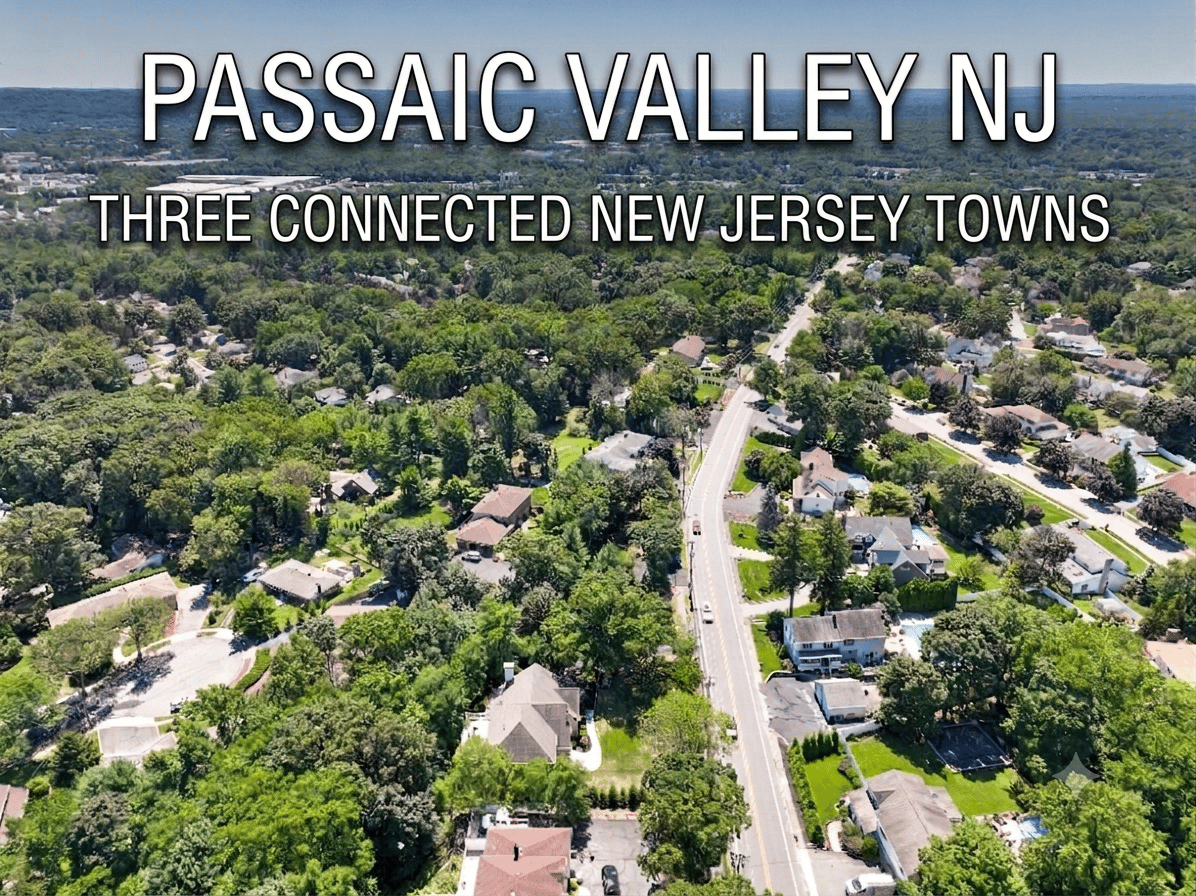
Montville offers a lot to like for buyers who want new construction. It is a 19.11-square-mile township in Morris County, and Towaco and Pine Brook are identified by the township as historic village centers. Its central location and transportation access have helped drive development, which is one reason lot location matters so much here.
That local context matters because not every parcel is equally simple to build on. Two lots with similar asking prices can come with very different approval paths, utility needs, and site costs. In a market like Montville, the real value is often in the details behind the lot.
Towaco also has a practical resale advantage worth noting. Towaco Station sits on NJ TRANSIT’s Montclair-Boonton Line and includes parking. If you are building a custom home or redeveloping a property, proximity to that rail access may matter later when future buyers compare commute options.
Start with zoning and township records
Before you fall in love with a piece of land, start with the township. Montville’s Planning and Zoning Office reviews variance applications, conditional use permits, text amendments, change requests, and new site plans. The township’s zoning framework also includes land disturbance rules and riparian and wetland setbacks.
That means a lot is never just a lot on paper. You need to know what can be built, what setbacks apply, whether grading could be an issue, and whether the project may need relief from current zoning standards. These are early questions, not closing-day questions.
Montville’s development application materials show how many approval types may come into play. Depending on the property and plan, a buyer may need site plan approval, subdivision approval, a bulk c variance, a D variance, soil movement approval, rezoning, or a concept plan review. The form also notes that notice may be required to property owners within 200 feet.
That is one reason teardown and land purchases deserve a more careful pre-offer strategy than a standard home purchase. A parcel that looks straightforward online may involve a board application, public notice, and extra professional review before construction can begin.
Highlands rules can affect your build
One of the biggest local factors in Montville is the Highlands region. The Highlands Council says Montville includes 3,440 acres in the Preservation Area and 8,792 acres in the Planning Area. It also notes that Montville is certified to issue certain Highlands exemptions.
If a property is in the Preservation Area, the rules can be more involved. NJDEP says you can request a free, voluntary Highlands determination to confirm whether a parcel falls in that area. If a project is not exempt, a Highlands Preservation Area Approval is required before construction, including site preparation.
This is a major reason to verify the status of a parcel early. You do not want to price a project as if it is ready to build, only to learn later that additional approvals are needed before site work can even start.
Utilities are not automatic in every location
One of the easiest mistakes buyers make is assuming public utilities are already available. Montville says its water and sanitary sewer systems currently serve about 70% of residential and commercial properties. That leaves a meaningful number of properties where service should be verified, not assumed.
For vacant land or a teardown, utility access can affect cost, timeline, and design. A property that is not already served may involve more than a typical connection. It can become a broader planning issue that affects your total project budget.
Montville’s Water and Sewer Department also provides water-quality materials and a water-service line inventory. That is useful, but the bigger takeaway for buyers is simple: confirm the specific parcel’s utility situation before you commit.
There are also important design rules to keep in mind. Montville states that stormwater, basement sump pumps, septic tanks, cesspools, dry wells, and similar systems cannot discharge into the sanitary sewer. On a sloped lot or tighter site, drainage planning needs to be coordinated early.
Site conditions can change the budget fast
In custom building, site work often separates the easy projects from the expensive ones. Montville’s zoning and development materials point to issues like wetland setbacks, riparian concerns, land disturbance rules, and soil movement review. The township’s engineering department also reviews individual lot grading plans for new residential homes.
That means the land price is only part of the story. A lot that needs heavier grading, drainage work, environmental review, or added utility coordination may cost far more to develop than a larger but simpler parcel nearby.
The township’s development form also says an environmental impact statement can be required in certain situations. Examples include preliminary plats of 10 or more acres or 10 or more lots, preliminary site plans of 5 or more acres, soil removal of 500 or more cubic yards, tree harvesting or logging, and any size application in the CWR district.
For many buyers, that will not apply. But if you are looking at a larger site or a more ambitious development concept, it is another reminder that due diligence should happen before the purchase, not after.
Use Montville departments as part of due diligence
A smart Montville land search includes more than listing photos and tax records. The township’s Construction Department offers an SDL portal with property-level information, including tax lot and owner data, current permits, complaints, violations, licenses, and certificates.
That makes township records a valuable part of pre-offer research. If you are considering a teardown, you may want to know whether there are open permits, prior violations, or other issues tied to the property before you move forward.
Montville’s engineering office is also a useful resource. It keeps tax maps, FEMA Flood Insurance Rate Maps, and topographic maps available. Staff can help locate a parcel on those maps, although the township notes it cannot make flood-zone determinations for residents.
Know the permit path before demolition or building
In New Jersey, both new construction and demolition require a construction permit under the Uniform Construction Code. The local enforcing agency must act on a complete application within 20 business days. Construction can begin after the permit is issued and plans are approved, and final occupancy depends on passing final inspection and receiving a Certificate of Occupancy.
In Montville, the Construction Department handles permitting, inspections, and code compliance. The Engineering Department handles roads, drainage, grading, related public improvements, road-opening permits for work in the public right of way, and soil-moving permits for volumes under 500 cubic yards.
If you are planning a teardown, remember that demolition is its own regulated permit category. If asbestos abatement is part of the project, New Jersey requires companies offering asbestos abatement to be licensed through the Department of Labor and Workforce Development.
The bigger lesson is that demolition is not just the first swing of a machine. It is a regulated step in a larger process that should be planned with your attorney, builder, engineer, and township requirements in mind.
Budgeting for new construction in Montville
Every custom build budget is local, but national and regional benchmarks can still help you frame expectations. Census reports the 2025 median price of new single-family homes sold was $417,400, and the average was $523,800. Census also reported the Northeast median price per square foot for new homes sold in 2023 was $220.95.
NAHB’s 2024 Cost of Construction Survey found that construction costs represented 64.4% of the average new-home price, the finished lot represented 13.7%, and builder profit represented 11.0%. NAHB also found that the Middle Atlantic median price for custom homes started in 2024 was about $188 per square foot, while higher-end custom homes can run roughly $200 to $500 or more per square foot depending on features and location.
In Montville, those numbers are planning benchmarks, not local quotes. Site prep, grading, utility work, township fees, professional reports, and contingencies can materially change the total cost. That is why a cheap lot can sometimes become the expensive option.
Montville’s application form also lists separate fees and escrows for site plans, subdivisions, variances, soil movement, and related approvals. When you budget for a land or teardown project, include more than the land price and hard construction cost.
Budget items to plan for
- Land acquisition
- Survey and engineering work
- Legal review and closing costs
- Township application fees and escrows
- Soil movement, grading, and drainage work
- Utility connection or extension costs
- Demolition, if applicable
- Permit costs and inspections
- Construction contingency funds
Financing and timeline expectations
Financing a new build often looks different from financing a resale home. Fannie Mae supports construction-to-permanent financing with both single-closing and two-closing structures. In a single-closing setup, the construction loan converts to permanent financing when the home is completed.
Fannie Mae also says the construction period may not include any single period over 12 months and may not exceed 18 months total. That gives buyers a useful general framework, but the real timeline still depends on the site, approvals, builder schedule, and financing structure.
Consumer guidance from the CFPB also highlights a few practical points. Buyers should make offers contingent on financing and a satisfactory inspection. It also notes that builders may ask for an upfront deposit on a not-yet-built home, and you do not have to use a builder’s affiliated lender.
If you are buying land first and planning to build later, timing becomes even more important. Approval work, design revisions, utility coordination, and permit review can all stretch the schedule, so it helps to build in breathing room from the start.
Build with resale in mind
Even if this is your forever home, smart buyers still think about resale. In Montville, practical features like access to Towaco Station can be meaningful later because commute convenience is a common buyer filter in northern New Jersey.
Beyond location, documentation matters. Keep your survey, approvals, grading plans, permits, Certificate of Occupancy, and warranty information organized. If you refinance or sell later, having a clean paper trail can make the process easier.
The most successful land and new-construction buyers usually stay practical. They focus on a build that fits the lot, fits the approval path, and fits how people actually live, rather than overcomplicating the project.
Your next step in Montville
If you are exploring land, a teardown, or a custom-build opportunity in Montville, your best first move is to slow down and verify the basics. Confirm zoning, Highlands status, utility availability, drainage considerations, permit history, and the likely approval path before you treat a lot like a done deal.
That kind of prep can save you money, time, and stress. It also helps you compare properties more accurately, which is where local guidance becomes especially valuable in a town with this many moving parts.
If you want practical help evaluating land or new-construction opportunities in Montville and nearby Northern New Jersey markets, Joseph D Charles Jr offers clear, local guidance built around smart due diligence and informed decisions.
FAQs
What should you verify before buying land in Montville, NJ?
- You should verify zoning, Highlands status, utility availability, drainage or wetland constraints, grading needs, and any approvals that may be required by the township.
Does every lot in Montville, NJ have public water and sewer?
- No. The township says its water and sanitary sewer systems currently serve about 70% of residential and commercial properties, so parcel-specific utility verification is important.
Do you need a permit for demolition in Montville, NJ?
- Yes. Under New Jersey’s Uniform Construction Code, demolition requires a construction permit, just like new construction.
Can Highlands rules affect a new build in Montville, NJ?
- Yes. If a property is in the Highlands Preservation Area and the project is not exempt, Highlands Preservation Area Approval is required before construction, including site preparation.
What township offices matter for a Montville, NJ new-construction project?
- The Planning and Zoning Office, Construction Department, Engineering Department, and Water and Sewer Department can all play important roles depending on the property and project scope.
Why is a teardown or vacant lot purchase in Montville, NJ more complex than a resale home?
- Land and teardown deals may involve variances, grading review, utility questions, demolition permits, soil movement approvals, and environmental or drainage issues that do not usually apply in a standard resale purchase.